The Hidden Cost of Hard Water

Why Phoenix Homes Face Unique Plumbing Battles
Living in the Valley of the Sun brings plenty of perks, but mild water isn’t one of them. If you’ve noticed a white, chalky crust on your showerheads, or if your water pressure feels more like a sad trickle, you are experiencing the most common residential plumbing challenge in Phoenix, AZ: extreme hard water and calcium buildup.
Phoenix tap water is rated among the hardest in the United States, averaging a harsh 13 to 18 grains of dissolved minerals per gallon. While these minerals (mostly calcium and magnesium) are safe to drink, they act like cholesterol inside your home’s plumbing system. Over time, they choke off your water flow, spike your utility bills, and trigger catastrophic system failures.
Here is what Phoenix homeowners need to look out for, how hard water causes hidden disasters, and how you can save thousands of dollars in repairs.
1. The Choked Flow: Low Water Pressure
As hard water moves through your copper, PEX, or galvanized pipes, it leaves microscopic layers of rock behind. Over several years, this mineral scaling narrows the interior diameter of your pipes.
- The Warning Sign: You notice a slow, progressive drop in water pressure at your kitchen sink or bathroom faucets.
- The Quick Fix: Unclogging your plumbing aerators. Unscrew the small mesh screen at the tip of your faucet and soak it in white vinegar overnight to dissolve the calcium crust.
2. The Early Grave: Water Heater Burnout
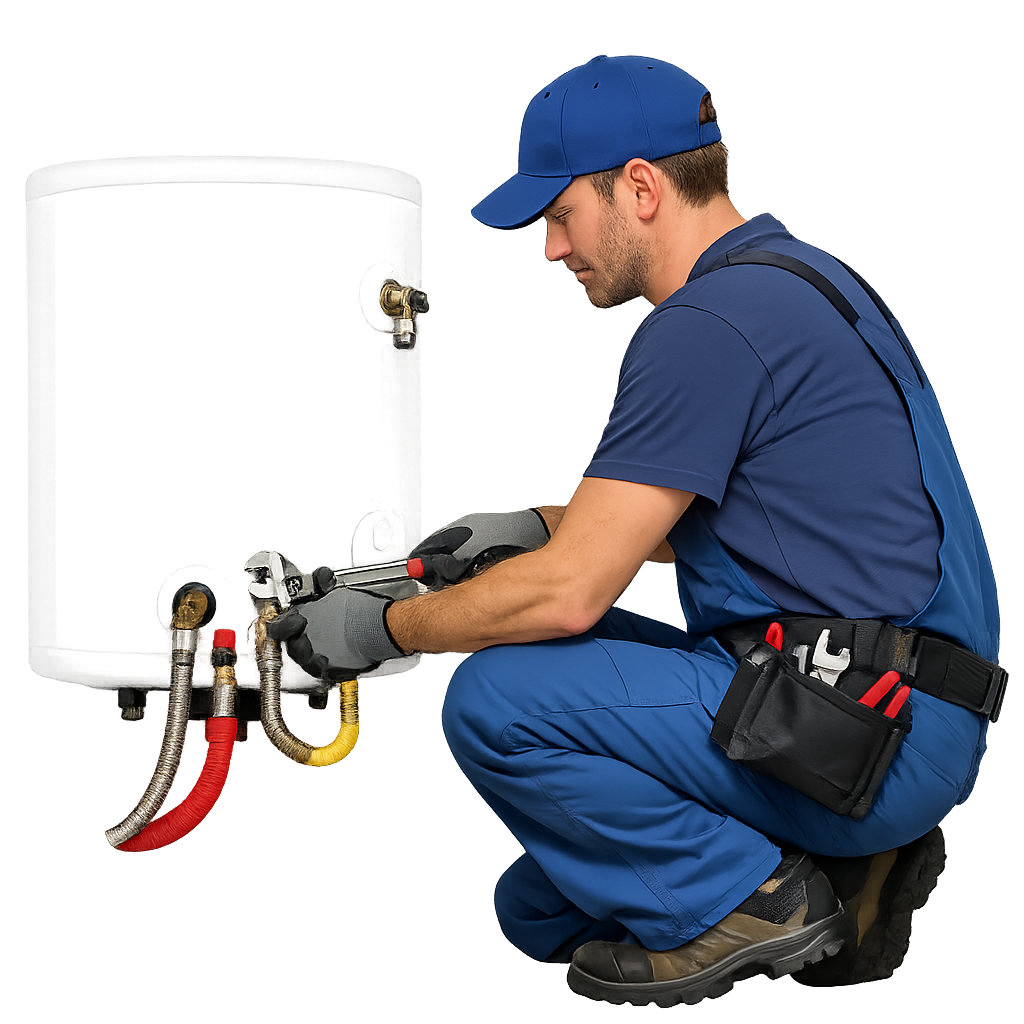
Because of our mineral-heavy water supply, tank water heaters in Phoenix have a significantly shorter lifespan than the national average. As water heats up, minerals solidify and settle at the bottom of the tank. This forms a thick layer of sediment that acts as a thermal barrier. Your heating element has to work twice as hard to heat the water through a layer of rock, drastically raising your energy bills.
- The Warning Sign: A popping, knocking, or rumbling noise coming from your water heater garage or closet.
- The Solution: The tank must be completely flushed at least once a year to clear out the accumulation before it cracks the tank liner.
3. The Worst-Case Scenario: Hidden Slab Leaks
The combination of hard water corrosion from the inside and moving clay soils (especially during monsoon season) from the outside puts immense stress on the copper water lines beneath your home’s concrete foundation. This frequently results in “slab leaks”—pinhole fractures under your floor that can compromise your foundation.
- The Warning Sign: Unexplained jumps in your monthly water bill, warm spots on your tile flooring, or the sound of rushing water when all faucets are turned off.
- The Solution: If you suspect a slab leak, do not wait. It requires specialized acoustic leak detection equipment to pinpoint and patch the line without destroying your entire floor.
How to Protect Your Phoenix Home
You don’t have to just accept plumbing damage as a cost of living in Arizona. Homeowners can take a proactive approach to shield their property:
- Install a Water Softener or Filtration System: Whole-home water softeners replace calcium and magnesium ions with sodium ions. This completely stops scale buildup before it ever enters your internal plumbing grid.
- Regular Maintenance Inspections: Catching a small pressure drop or an aging water heater early can mean the difference between a $200 maintenance flush and a $5,000 emergency replacement.
Need an Expert Eye on Your Plumbing?
Don’t let hard water quietly destroy your home’s pipes and appliances. If you’re dealing with low water pressure, a noisy water heater, or fear you might have a hidden leak, our licensed team is here to help.
Contact us today to schedule a comprehensive residential plumbing inspection!